Many contractors now want to increase RAP usage to reduce material costs and stay competitive. When the target reaches 30% RAP, equipment capability becomes a key decision. You may ask yourself: Should you upgrade to a 120 t/h asphalt batch plant, or modify your existing 100 t/h drum mix plant? The right choice impacts mix quality, fuel consumption, plant uptime, and long-term profits. In this article, I share what I see from real job sites in Indonesia and other regions, so you can make a decision with confidence.
Why 30% RAP Changes Your Plant Requirements
Before comparing the two asphalt mixer plants, you need to understand why 30% RAP is a turning point. At low RAP percentages, a drum mix plant usually handles the load. However, once you reach 30%, you face higher moisture, higher temperature sensitivity, and stricter mix performance requirements. Therefore, your plant must manage heat transfer, protect the bitumen in RAP, and keep the final mix stable.
Because of these challenges, contractors start to rethink their options. At this point, both plant types may work, but not in the same way. This leads us to the next section.
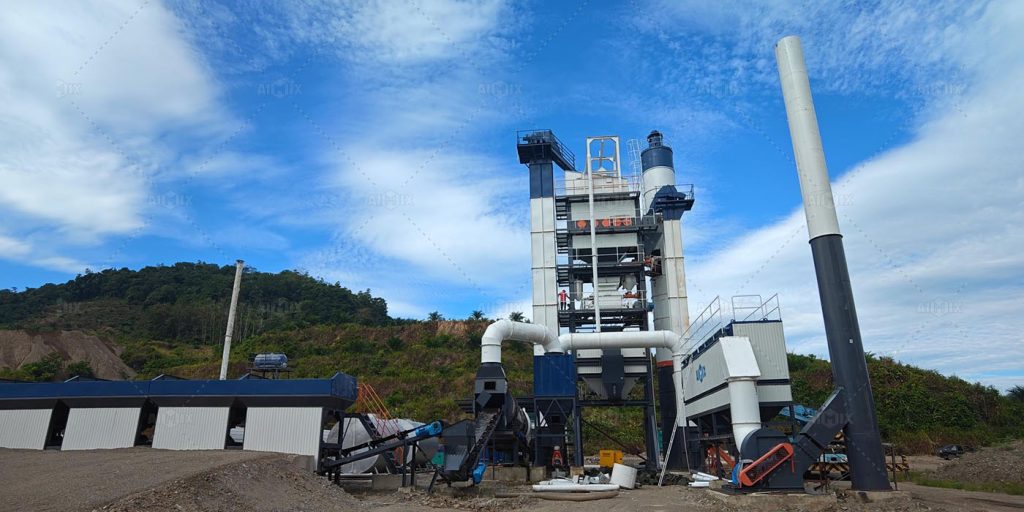
What a 120 t/h Asphalt Batch Plant Offers for 30% RAP
A 120 t/h asphalt batch plant for sale is not just bigger. It also gives you stronger control of mix design. With a batch plant, every batch is precise. You decide how much RAP, how much virgin aggregate, and how much binder goes in. Because of this, you get more stability and fewer surprises.
1. Better Temperature Control and Cleaner Mixing
Temperature becomes critical at 30% RAP. If the mix overheats, RAP binder burns. If the mix stays too cold, the final road fails early. A batch plant keeps both heating zones separated. Virgin aggregate heats in the dryer drum, while RAP enters the mixer at a controlled point. This reduces stress on the old binder and keeps the mix consistent.
2. Higher Mix Quality for Government and Highway Projects
Many government road agencies now check RAP mixes more carefully. They want stable air voids, uniform binder content, and consistent gradation. A batch plant meets these expectations more easily. Because of this, contractors with batch plants often win projects with stricter specifications.
3. Flexibility for Multiple Mix Types
You may run different mix designs in one day. A batch plant handles this without long delays. You can switch from a RAP mix to a virgin mix or even a stone mastic asphalt mix with fewer process adjustments. This flexibility helps you serve more customers and accept more jobs.
However, a batch plant requires a higher initial investment. You also need more energy for aggregate drying. Therefore, some contractors still consider upgrading their drum mix plant instead. This brings us to the next part.
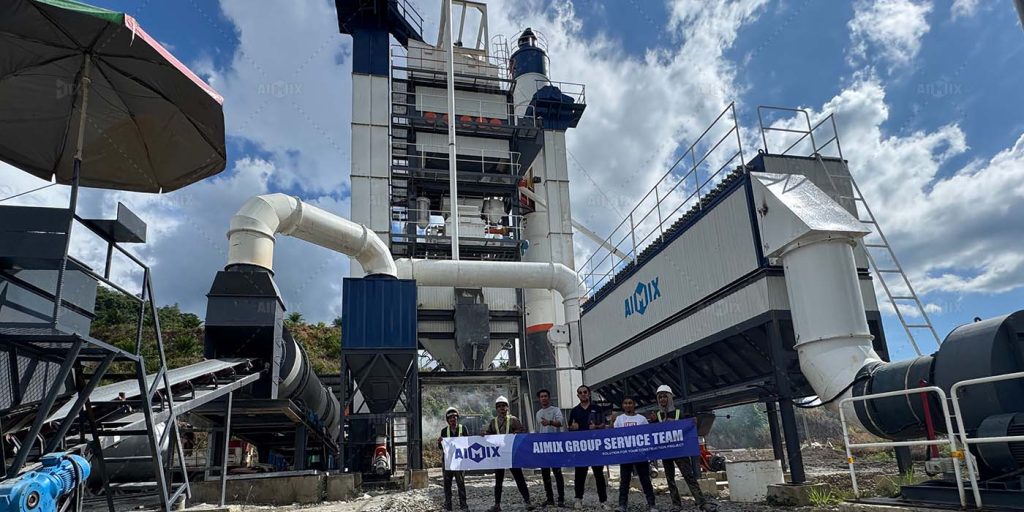
How a Modified 100 t/h Drum Mix Plant Handles 30% RAP
A drum plant normally struggles at high RAP levels. But with the right modification, it can reach 30%. Many contractors prefer this path because process simplicity remains. They also save on investment cost. Yet, the modification must be correct, or mix quality suffers. To understand this option better, we need to look at how the modifications work.
1. Adding a RAP Collar or Double-Drum System
A RAP collar lets the plant introduce RAP away from the burner flame. A double-drum system adds a separate drying and mixing section. Both reduce binder burning and stabilize the temperature. With these changes, you can improve the final mix, although not to the same level as a batch plant.
2. Lower Operational Cost and Simple Maintenance
Drum mix plants stay fuel-efficient. They need fewer motors, fewer conveyors, and fewer moving parts. Because of this, your maintenance cost stays low. If your work focuses on secondary roads or internal industrial roads, a modified drum mix plant may offer enough productivity.
3. But Quality Control Has Limits
Even with modifications, a drum mix plant struggles with precise control. You cannot adjust each batch independently. Moisture in RAP affects the entire production. If your project requires high consistency, this option may not suit your customers’ expectations. Therefore, you must match the plant to your business model and project types.
With both sides understood, the next section compares these options directly so you can decide more easily.
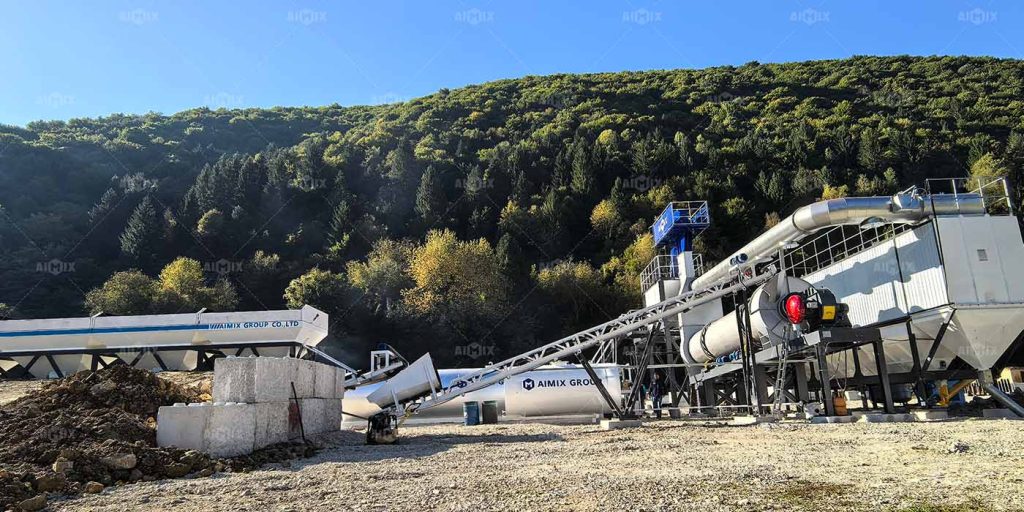
Direct Comparison: 120 t/h Batch Plant vs Modified 100 t/h Drum Mix Plant
When deciding between these two choices, you need to balance mix quality, cost, flexibility, and long-term value. Because every contractor has different project types, let’s break down the comparison clearly.
1. RAP Production Quality
Batch Plant: Much better control. Better gradation stability. Suitable for national and provincial highway work.
Modified Drum Plant: Acceptable for private roads and low-spec projects. Quality fluctuates under high RAP moisture.
2. Investment Cost
Batch Plant: Higher investment. More equipment. But long-term ROI improves with higher-value projects.
Modified Drum Plant: Lower cost. Good for contractors who want a quick upgrade.
3. Fuel Consumption
Batch Plant: Slightly higher due to separate heating stages.
Modified Drum Plant: Generally lower.
4. Long-Term Profitability
Batch Plant: Higher profit if you handle many premium projects.
Modified Drum Plant: Good for contractors with stable workloads and simple mixes.
Now that the differences are clear, let’s look at practical job-site scenarios.
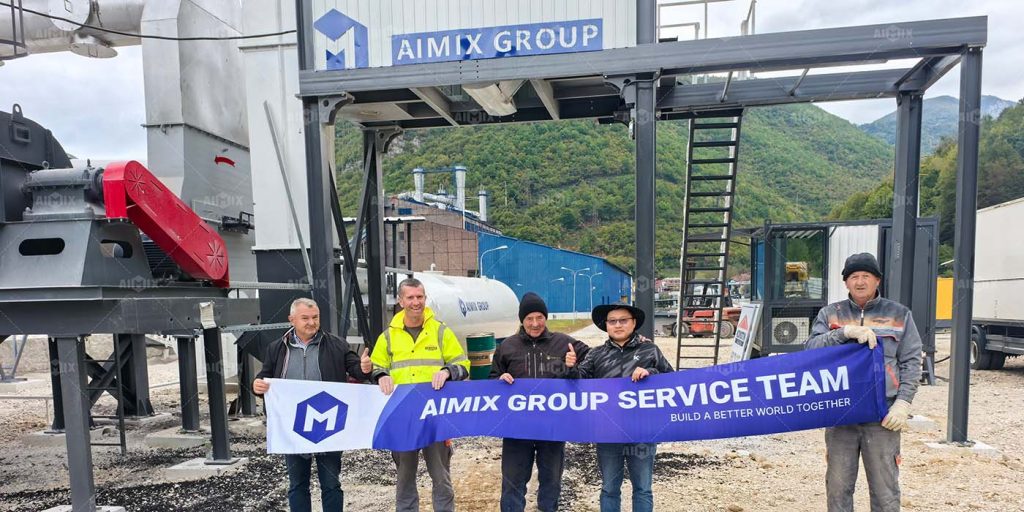
Which Plant Should You Choose for 30% RAP? Three Real-World Scenarios
Scenario 1: You Work on Government Road Projects
Choose the 120 t/h batch plant. Specifications matter. You need consistent performance and proven mix quality. You also need to win competitive bids.
Scenario 2: You Supply Mix to Multiple Customers Daily
Choose the batch plant. Flexibility matters. You change mix types often. You also want to maintain quality even when RAP moisture fluctuates.
Scenario 3: You Operate in a Small City and Work on Local Roads
Choose the modified 100 t/h drum mix plant. Cost efficiency matters. Your market does not demand high-spec mixes. You want reliable production with lower investment.
As you can see, the right choice depends on your business type. Therefore, you should evaluate both long-term profitability and immediate needs. In the next section, I will help you make a clear final decision.
Final Recommendation: What I Suggest as Your Long-Term Partner
If your goal is to grow your business, win more projects, and position yourself as a reliable asphalt supplier, the 120 t/h asphalt batch plant gives you more control and stronger marketability. It costs more, but it brings higher returns. On the other hand, if your priority is steady production at lower cost, the modified 100 t/h drum plant works well if you focus on simple projects.
In short, choose based on your project demands, not only your budget.
Work With Us and Build a Plant That Fits Your Future
I help many clients in Indonesia choose their asphalt plant based on real job-site needs. You get honest suggestions, practical configurations, and solutions that match your market. Whether you want a high-performance 120 t/h batch plant or a modified 100 t/h drum mix plant, I can guide you through capacity planning, RAP system design, and cost analysis.
Tell me your project type, daily output, RAP percentage, and mix requirements. I will share a clear recommendation and a layout plan that helps you save time and increase productivity.
Contact me anytime. Let’s choose the right plant and grow your business together. Learn about the overall asphalt mixing plant price at right!