Profitability in a stone crushing plant is not a function of raw throughput alone. It is the result of a calculated, systematic approach to converting energy, wear, and time into the maximum tonnage of in-spec product with the minimum input cost. Efficiency must be engineered into every operational facet, from the moment material enters the circuit to the final stockpiling of aggregate. This requires moving beyond basic operation to a philosophy of continuous process optimization. The following analysis details essential, actionable strategies for elevating stone crusher plant performance, reducing cost per ton, and securing a sustainable competitive margin in a demanding market.
Strategic Pre-Processing and Feed Management
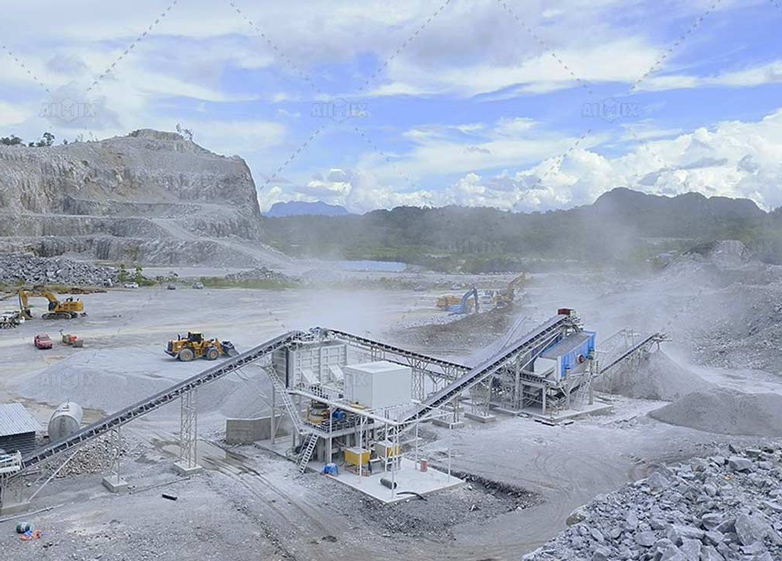
Efficiency begins before the primary crusher. Incoming feed material is rarely homogeneous; it contains fines, dirt, and oversize that can choke or prematurely wear crushers. The first essential step is implementing a rigorous scalping process. A vibrating grizzly feeder or a dedicated scalping screen should remove undersize material—the natural fines and small pieces—from the feed stream before it enters the primary crusher. This simple step prevents the rock crusher machine from processing material it has already effectively completed, increasing its capacity for actual size reduction and reducing unnecessary wear on liners. Furthermore, segregating different material types, if your deposit allows, can prevent the mixing of highly abrasive stone with softer rock, leading to more predictable wear patterns and product gradation.
Equally critical is establishing a consistent and controlled feed rate. Flood-feeding a crusher leads to packing, power surges, and potential damage. Starving it causes idle running, poor liner utilization, and a suboptimal product shape. The goal is a steady, choked feed that fully utilizes the crusher’s power draw and crushing chamber without causing overload. This is managed through coordinated communication between the loader operator and the plant control room, often aided by automated feeder controls linked to crusher amperage. A smooth, consistent feed is the foundation for all downstream process stability, directly influencing final product quality and system longevity.
Optimizing the Crushing Circuit for Output and Wear
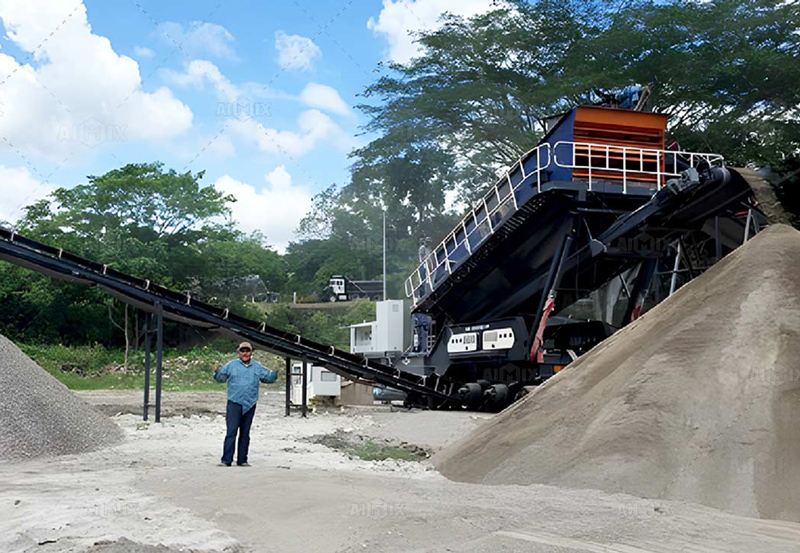
The core of the plant is the crushing circuit itself, where strategic adjustments yield direct gains. Crusher settings must be dynamically managed, not set once and forgotten. The closed-side setting (CSS) of jaw and cone crushers is the primary determinant of product size and throughput. A tighter setting produces a finer product but reduces capacity and increases wear. The optimal CSS is a calculated balance between meeting product specification and maximizing the crusher’s volumetric output. Similarly, selecting the correct cavity profile for a cone crusher—standard, short-head, or fine—is essential for achieving the desired end product without forcing the machine to operate outside its efficient range.
This optimization extends to the entire material flow. Screens and conveyors must be synchronized with the aggregate crushers. Screen deck selection—the choice of mesh sizes and the use of rubber or polyurethane panels—directly impacts product grading and recirculating load. An incorrectly sized screen allows oversized material into the finished product or sends correctly sized material back to the crusher as unnecessary recirculation, wasting energy and creating wear. Conveyor speeds must be matched to the volume of material to prevent spillage or excessive belt wear. The entire circuit should operate as a balanced system, where each component is working at its designed capacity without bottlenecking or idling the others. This systemic harmony is where true efficiency is realized.
Data-Driven Maintenance and Operational Discipline
Long-term profitability is inseparable from disciplined maintenance and informed decision-making. A reactive maintenance strategy, fixing components after they fail, leads to catastrophic downtime and higher costs. The essential modern approach is predictive wear-parts management. This involves tracking crusher liner wear not by time, but by actual production tonnage and power consumption data. By establishing a baseline wear rate (tons per millimeter of wear), operators can schedule liner changes during planned maintenance windows, not during peak production. Regular inspections of drive belts, bearings, and hydraulic systems for temperature and vibration anomalies can predict failures before they occur.
Finally, efficiency is honed through data analysis. Modern plants generate a wealth of information: tons per hour, power draw per crusher, screen efficiency percentages, and product gradation curves. This data should be reviewed daily and weekly. A downward trend in throughput at the same power draw might indicate liner wear or a change in feed material. Analyzing product gradation can reveal if a screen panel is damaged or blinded. This data-driven feedback loop allows for continuous refinement of gravel crusher settings, feed rates, and maintenance schedules. Operational discipline means acting on this information, making small, informed adjustments that compound into significant gains in yield, quality, and cost control. In this context, the plant manager’s most valuable tool is not a wrench, but the production report.